

ATELIER JMA-GE 1
Made by Walking
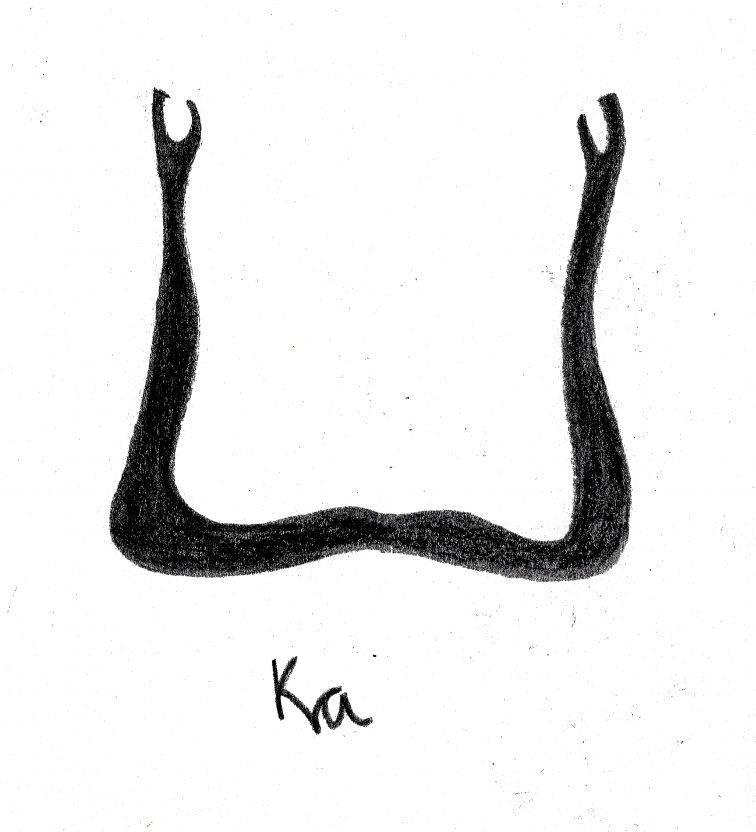 « Le concept égyptien du ka symbolisait l’éternelle errance…et portait avec lui la mémoire des longues et dangereuses migrations paléolithiques. Les débuts de l’architecture de pierre sont inséparables du concept du ka ».
Sigfried Giedion, L’Éternel Présent, 1964
« Le concept égyptien du ka symbolisait l’éternelle errance…et portait avec lui la mémoire des longues et dangereuses migrations paléolithiques. Les débuts de l’architecture de pierre sont inséparables du concept du ka ».
Sigfried Giedion, L’Éternel Présent, 1964
Contenu /content
Se déplacer seul·e, à pied, les yeux rivés sur son écran, entre l’endroit où l’on habite, où l’on travaille, où l’on étudie… ; se promener à deux, en amoureu·ses ; cheminer seul·e le long d’un cours d’eau ; errer en bande, sans destination ; parfois s’arrêter et s’asseoir avant de repartir : marcher partout en ville est une liberté fondamentale. C’est aussi un « art civique », nous rappelle l’architecte Francesco Careri, pour qui l’architecture ne naît pas de l’acte de bâtir — celui du sédentaire —, mais de l’acte de marcher — celui du nomade. Car marcher est une forme de mondiation, c’est-à-dire une manière de façonner ce qui nous entoure en le structurant mentalement, en l’éprouvant physiquement et en lui conférant un sens géographique et symbolique.
Action répétitive et élémentaire qui nous distingue — pas tant que ça — des autres mammifères, liberté fondamentale, art civique ou encore simple plaisir épicurien : la marche est-elle un droit acquis ? En bénéficions-nous touxtes de manière égale, quels que soient nos âges et nos capacités physiques, nos origines ou nos genres ? Peut-on marcher partout en dehors de la ville centre piétonisée, y compris dans ses interstices, jusqu’à ses lisières ? La ville chauffe. Pourra-t-on continuer à y marcher à toute heure et en toute saison ? Rien n’est moins sûr.
La pratique de la marche en ville sera à la fois une méthode de travail et un objectif d’atelier. À travers l’acte simple de marcher, seul·e ou à plusieurs, à différentes temporalités, nous expérimenterons avec nos sens les manières dont nous percevons et vivons touxtes la ville. Cette promenadologie, science et méthode pédagogique, inventée par l’artiste Annemarie Burckhardt et le sociologue Lucius Burckhardt, nous donnera les outils pour travailler et contribuer collectivement aux réflexions en cours de la Ville de Genève autour de son Plan directeur des chemins pour piétons.
L’enjeu est bien celui de la fabrique d’une ville habitable, accueillante et inclusive : résolument hospitalière.
Moving alone, on foot, eyes fixed on a screen, between the place where we live, work, study…; strolling as a couple, in love; walking alone along a waterway; wandering in a group, with no destination; sometimes stopping and sitting before setting off again: walking everywhere in the city is a fundamental freedom. It is also a “civic art,” as architect Francesco Careri reminds us, for whom architecture is born not from the act of building — that of the sedentary — but from the act of walking — that of the nomad. Walking is a form of “mondiation”, that is, a way of shaping what surrounds us by structuring it mentally, experiencing it physically, and giving it geographic and symbolic meaning.
A repetitive, elementary action that distinguishes us — though not by much — from other mammals, a fundamental freedom, a civic art, or simply an epicurean pleasure: is walking an acquired right? Do we all benefit from it equally, whatever our age or physical ability, our origins or our gender? Can we walk everywhere beyond the pedestrianized city center, including in its interstices, all the way to its edges? The city is heating up. Will we still be able to walk there at any hour, in any season? Nothing is less certain.
The practice of walking in the city will be both a working method and an atelier objective. Through the simple act of walking, alone or in groups, at different times, we will experiment with our senses to explore the ways we all perceive and experience the city. This Strollology — a science and pedagogical method invented by artist Annemarie Burckhardt and sociologist Lucius Burckhardt — will give us the tools to work on and contribute collectively to the City of Geneva’s ongoing reflections around its “Plan directeur des chemins pour piétons”.
The stakes are those of making a livable, welcoming, and inclusive city: resolutely hospitable.