OPTION JMA-BE
Street Photography meets Architecture Photography
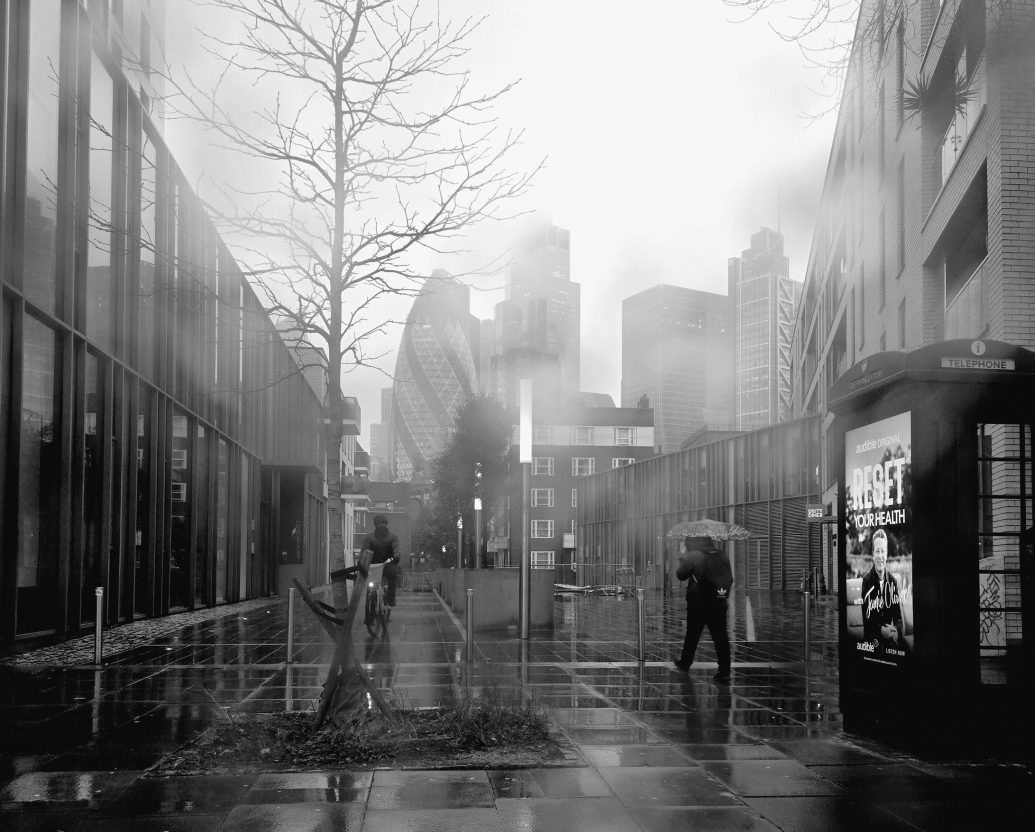 Tim Kammasch LONDON
CONTENT / inhalt / contenu
Wir lernen von den Alten und Jungen Gross-Meistern und Meisterinnen der Street Photography und versuchen uns an Photographischen Aufnahmen und Serien, die Gebäude und öffentliche Orte im alltäglichen Gebrauch zeigen, im Fokus steht die Interaktion zwischen gebauter Architektur und Menschen.
Der Kurs führt ein in das praktische Anfertigen und Bearbeiten eigener analog-schwarzweiss Photographien.
We learn from the great masters and emerging voices of street photography and experiment with photographic images and series that explore buildings and public spaces in everyday use. The focus is on the interaction between built architecture and people.
The course introduces participants to the practical process of creating and developing their own analogue black-and-white photographs.
TEACHING AIMS / Lernziele / Objectifs d’enseignement
In den Darstellungen von projektierten Gebäuden (Renderings), aber auch in Architekturphotographien von Fachzeitschriften werden Gebäude meist ohne Menschen präsentiert. Menschen sind oft nur als Staffage zu sehen und vermögen der Darstellung keinen lebendigen Ausdruck zu verleihen. Im Kurs werden wir mit Hilfe von Strategien der Street Photography lebensweltliche Qualitäten von Bauwerken und architektonisch gestaltete Aussenräume in ihrem alltäglichen Gebrauch in den Fokus nehmen und das bildrhetorische Potential des Zeigens von Personen in Interaktion mit Architektur testen.
Die Studierenden erhalten eine Einführung in Geschichte, Theorie und Praxis der analog-schwarzweiss Photographie. Erwerb von Grundkenntnissen der Arbeit in der Dunkelkammer: Filmentwicklung und Vergrösserung eigener Aufnahmen. Übungen in Perspektive, Bildaufbau, Licht und Schatten, Strukturen, Tiefenschärfe, Detailphotographie etc.
In representations of projected buildings (renderings), as well as in architectural photography published in professional journals, buildings are usually presented without people. People often appear merely as incidental figures and rarely contribute a sense of liveliness to the image. In this course, we will use strategies from street photography to explore the lived qualities of buildings and architecturally designed outdoor spaces in everyday use, focusing on the rhetorical potential of depicting people in interaction with architecture.
Students will be introduced to the history, theory, and practice of analogue black-and-white photography. They will acquire basic skills in darkroom work, including film development and enlarging their own photographs. Exercises will explore perspective, image composition, light and shadow, textures and structures, depth of field, detail photography, and related photographic techniques.
TEACHING METHODS / Lernformen / Formes d’enseignement
Der Kurs findet ab dem 8.Otober 2026 an den angegebenen Daten statt. / The course will take place from 8 October 2026 on the dates indicated.
Vorlesungszeiten / lecture times:
- Stadtlabor Biel/Bienne -> 15:00-18:30 Uhr
- Burgdorf -> 15:00-19:30 Uhr
weitere informationen / Additional informations
Eigene analoge Kameras sind erwünscht aber nicht erforderlich, analoge Kameras können für die Zeit des Semesters ausgeliehen werden.
Participants are encouraged to bring their own analogue cameras, but this is not required. Analogue cameras can be borrowed for the duration of the semester.